

The Dragon and the Data-Hungry Monster
For four years we have described artificial intelligence to our LPs as a data-hungry monster. It is not a metaphor we chose for elegance. Every model that is better than the last one is better because it ate more, and the appetite is not slowing down. What is running out is the food. The stock of text on the internet is finite, it has largely been consumed, and the synthetic substitutes have the problem all closed systems have: they teach the model what it already believes.
The physical world is not finite in that way. It generates new, unrepeatable, unindexed information every second, and almost none of it is being captured. That observation is the whole basis of our Smart & Connected thesis, and for two years we drew it as a loop with three beats. AI improves. Improvement creates demand for data the internet cannot supply. That demand puts sensors and connected machines into the world, which improves AI again.
We were wrong about the number of beats. We found the missing one in China, and we did not find it in a keynote. We found it in a conversation on a factory floor, where the answer to a fairly boring question about training data was that the training data came from the machines getting it wrong.
The loop, with the fourth beat
Here is the distinction that matters, and it took us a week of company visits to say it in one line. A camera watching a process records the process. A machine performing the process discovers where the process resists. The mud is wetter than the specification allowed for, the component is warm, the tolerance is off by two millimetres in a direction nobody modelled. None of that is in any dataset, and none of it can be inferred from watching. It has to be attempted.
A sensor tells you what happened. An actuator tells you what happens the next time you try.
That is the fourth beat, and it is why we now treat actuation as a distinct layer of our own framework rather than the end of the sensing story. It also explains why so much of this agenda sits in that layer. It is not a preference for robots. It is where the data is being manufactured.
The second thing we underestimated is what happens after the machine acts. A human being who learns something valuable at work takes it home in their head. A fleet does not work that way. When one unit works out how to grip a wet component, the correction is validated centrally and pushed to every other unit before the next shift begins. The learning curve stops belonging to the operator and starts belonging to the fleet.
One robot learns. All robots know.
Put those two together and you get an asset that appreciates while it depreciates. The steel wears out on schedule. The behaviour improves every month, across the whole installed base, funded by whoever is operating it. That is a strange financial object, and we do not think the market has finished pricing it.
Which brings us to why a Brazilian fund spends five days in the Yangtze Delta. Not to admire the manufacturing. China is where you can currently see the entire chain operating at once, at commercial scale, inside a single week — sensing, components, compute and models, autonomy, and actuation, with the capital structure that financed all of it standing in the same room. There is nowhere else you can do that yet.
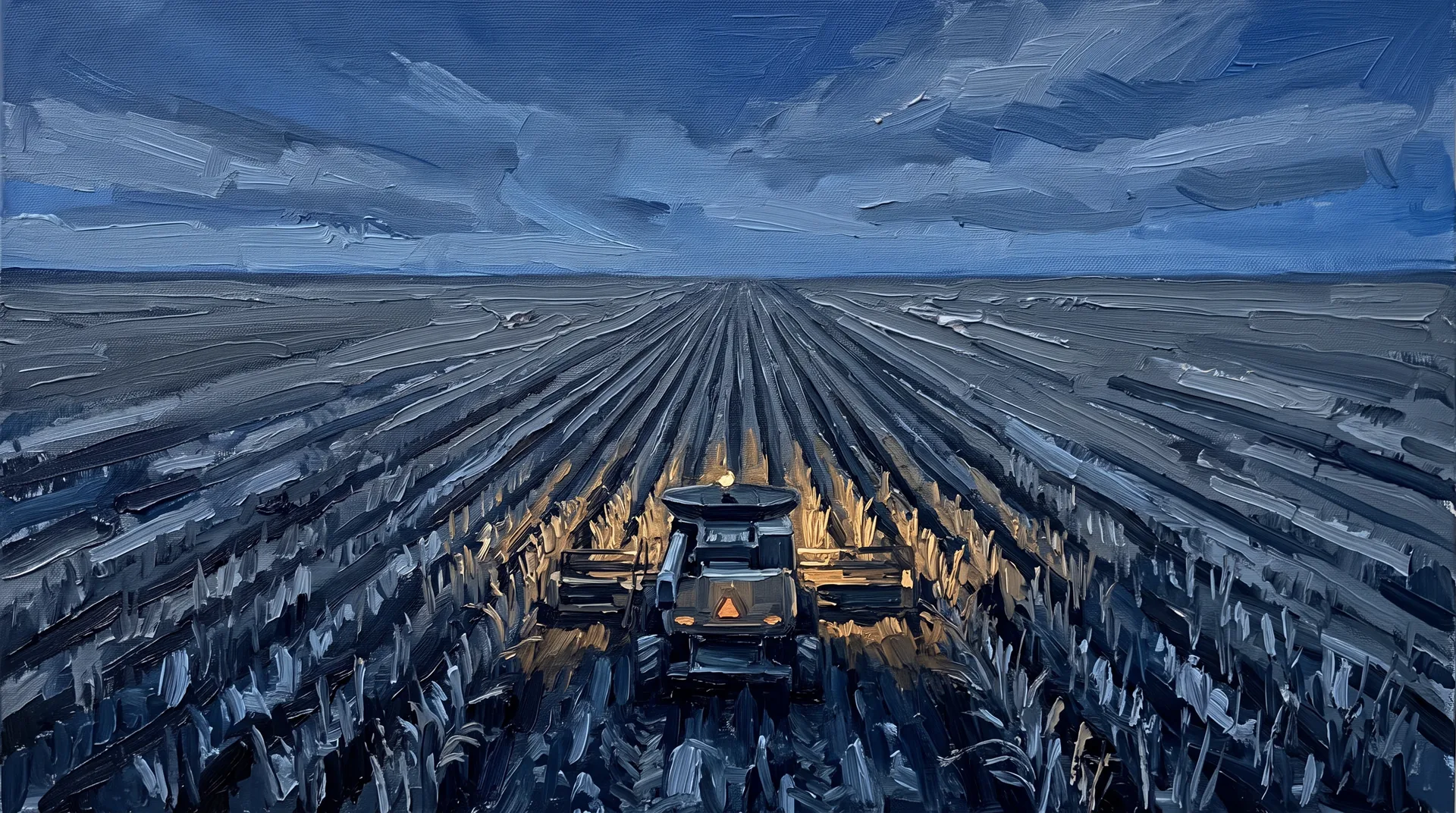
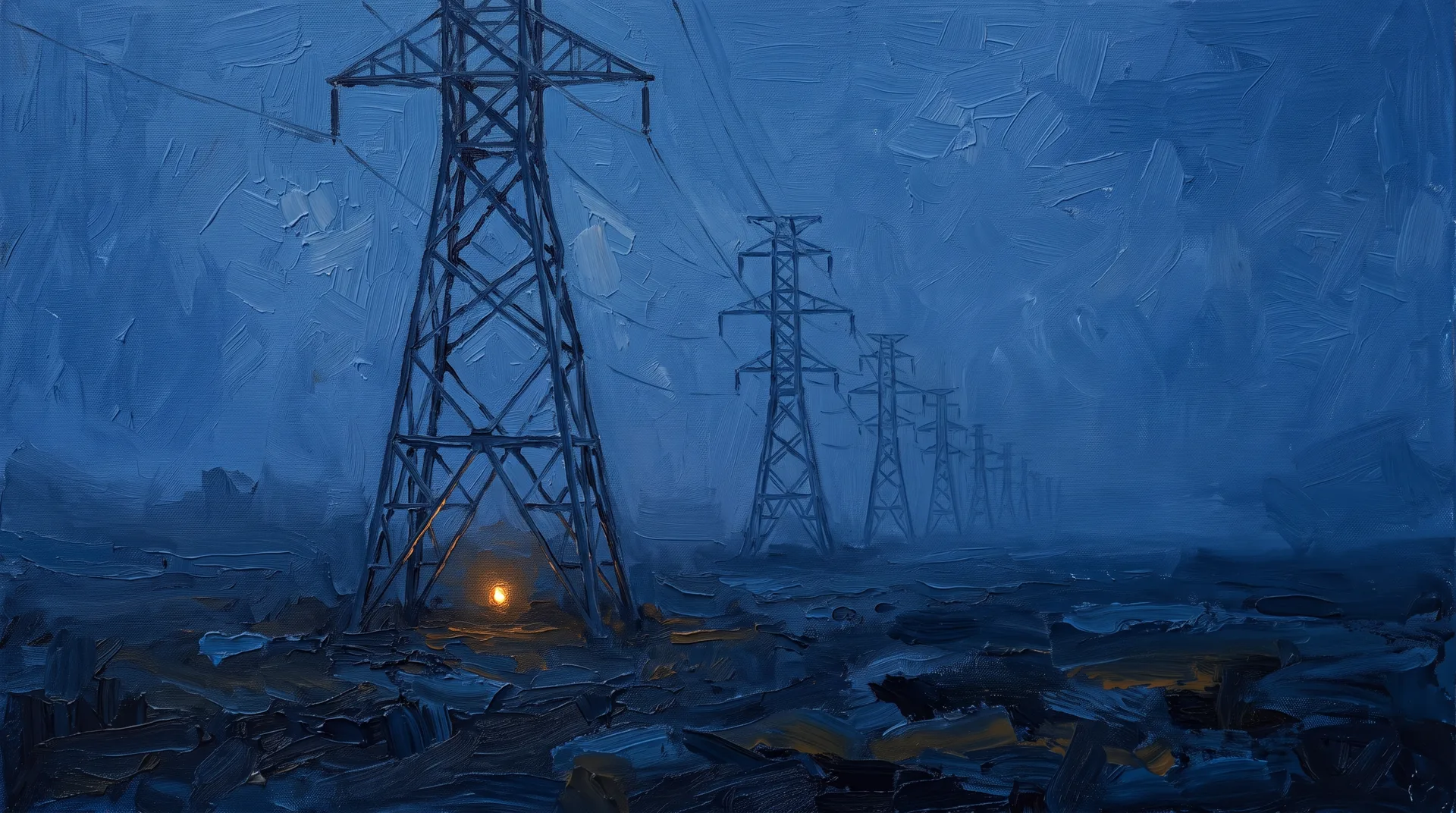
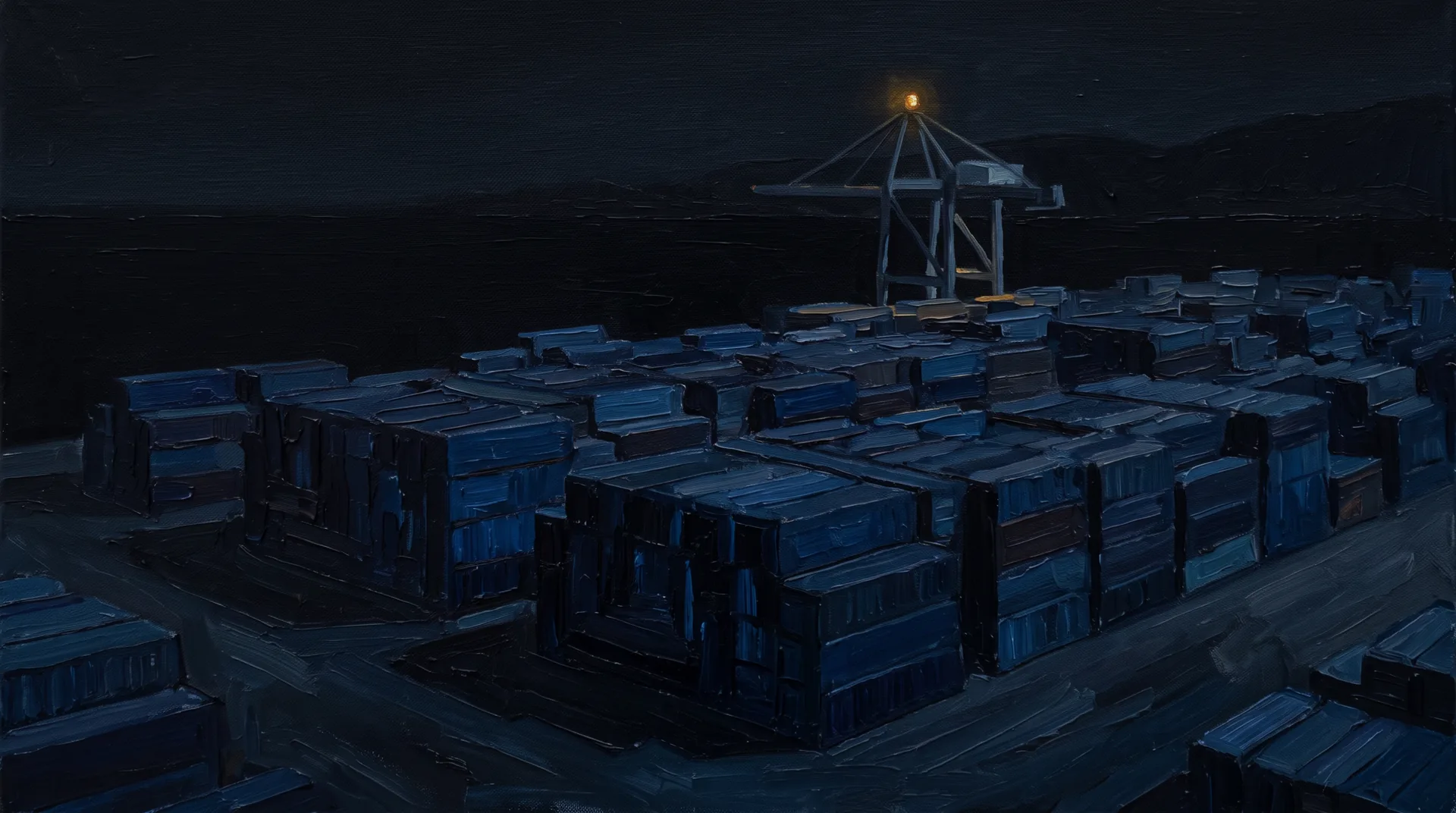
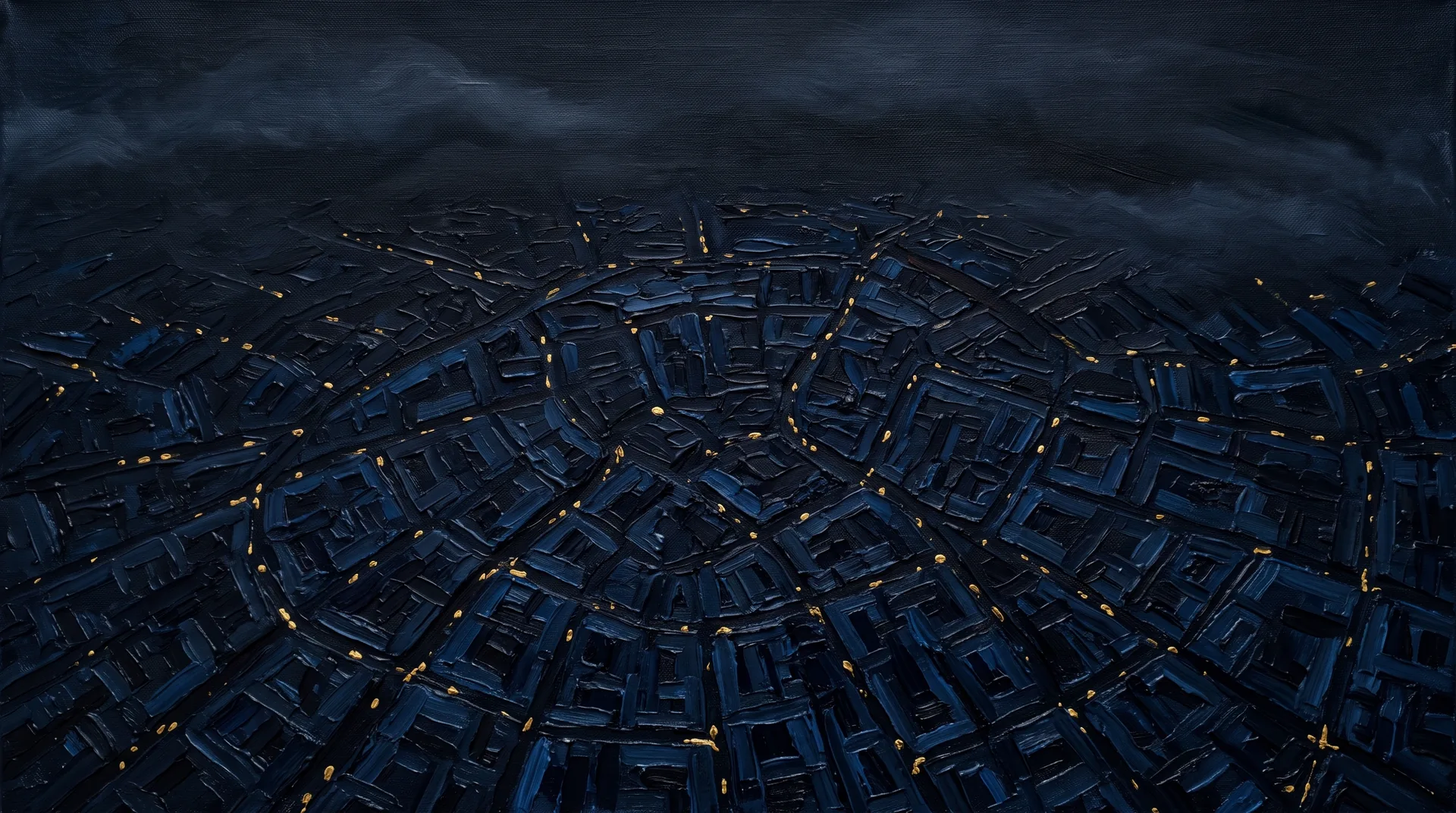
And Brazil's position in this is better than the discourse suggests. We are not going to build the frontier model, and we do not need to. Agribusiness, energy and natural resources, advanced manufacturing and logistics, smart cities and infrastructure — those are physical operations at a scale very few countries can match, running in conditions no existing dataset describes. Every one of them is a machine acting somewhere the model has never been.
Not the country that builds the robot. The country where the robot learns what the world is actually like.
The monster is still hungry. The question we are taking fifteen people to China to answer is who gets paid for feeding it.
Not the country that builds the robot. The country where the robot learns what the world is actually like.